
Deadlines in software are funny. Everyone agrees on them in the kickoff meeting. Then reality shows up. Integrations take longer. Requirements shift. Someone discovers a dependency no one mentioned. Suddenly, the timeline is “under review.”
In Canada, there’s no shortage of development companies. Talent isn’t the issue. Delivery is. The real question isn’t whether a team can build something. It’s whether they can get it across the line without chaos.
If you’ve been through at least one delayed launch, you already know the difference matters.
Here are Canadian custom software development companies that have built reputations around actually finishing what they start.
1. Euristiq
Some vendors lead with big claims about speed. Euristiq tends to talk more about structure. And honestly, that’s usually a better sign.
If you’re specifically looking at Euristiq’s custom software development in Canada, what you’ll notice is that they put serious weight on early scoping. Not a rushed sales estimate. A structured discovery phase. Two to three weeks of digging into requirements before real development begins.

Founded in 2016, Euristiq works with enterprise and mid-market companies across North America and Europe. Their client list includes brands like Philips, Ryanair, Bell Canada, Interac, and Gen Digital. These aren’t projects where “we’ll fix it later” is an acceptable strategy.
Their core capabilities include:
- AI-native product design and engineering
- Discovery phase engagement (2–3 weeks) for precise scoping
- PoC and MVP delivery in 1–3 months
- Legacy system modernization
- Cloud engineering across AWS, Azure, and Google Cloud
- IoT and AIoT development
- Dedicated development teams
They’re ISO 27001:2022 certified and an AWS Advanced Tier Services Partner. Those certifications don’t guarantee delivery, but they do signal process maturity. And process maturity is usually what keeps timelines from drifting.
Companies tend to bring them in when there’s a real date attached to the project — a product launch, a migration window, a modernization tied to operational goals. Their emphasis on structured planning up front is part of why projects don’t unravel halfway through.
2. Osedea
Osedea, based in Montreal, has a more collaborative feel. They’re not the kind of team that disappears for three months and reappears with a demo. They work closely with client teams, which can sound slower on paper but often saves time later.

Their services include:
- Custom software product development
- AI and machine learning systems
- UX-driven platform design
- Digital transformation consulting
When projects go late, misalignment is usually the culprit. Osedea’s model reduces that risk by keeping communication tight and iteration cycles short. Instead of betting everything on a long roadmap, they validate early and often.
For companies that want visibility into progress and fewer surprises, that approach tends to keep delivery steady.
3. Iversoft
Iversoft operates out of Ottawa and has built a reputation around security-conscious development. That matters more than people realize. Compliance and security reviews are common causes of project delays.
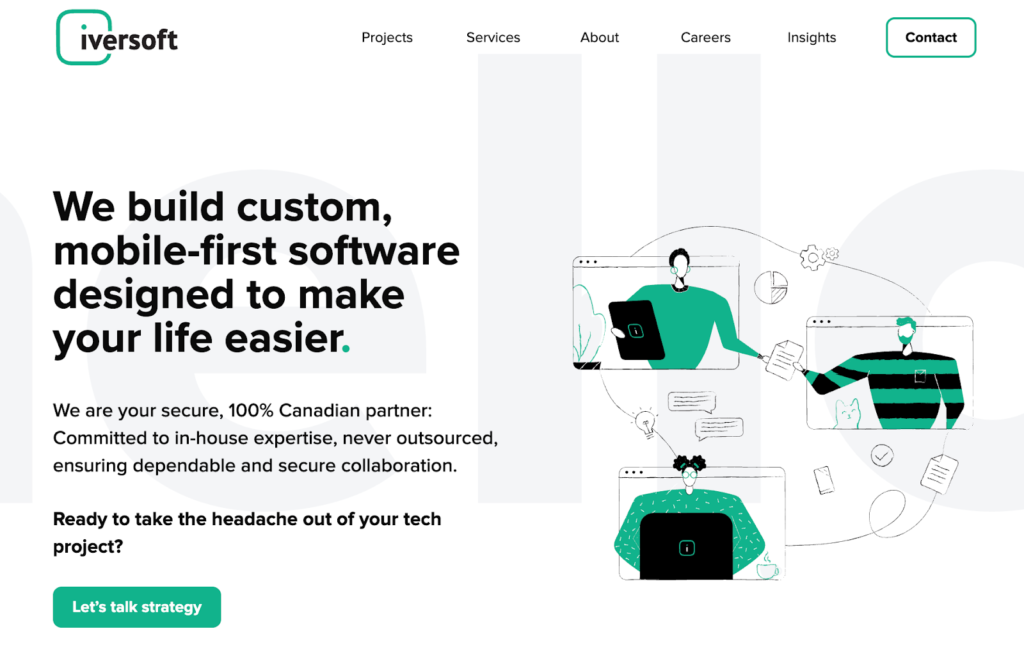
Their capabilities include:
- Secure application development
- Cloud architecture and deployment
- Mobile and web platforms
- System integration
When you’re working with regulated industries or government environments, the timeline doesn’t just depend on engineering. It depends on audits, reviews, and approvals. Teams that understand those cycles don’t get blindsided by them.
Iversoft’s familiarity with secure environments tends to smooth out phases that might otherwise stall a project.
4. Architech
Architech, based in Toronto, leans heavily into architecture-first thinking. It’s not flashy, and it’s not the fastest way to start coding. But it’s often the fastest way to finish.
Their work typically covers:
- Enterprise platform development
- Cloud-native architecture
- Data platform engineering
- API ecosystems
A surprising number of projects run late because the original architecture couldn’t support real-world usage. That leads to mid-project rewrites. Architech’s upfront design focus is meant to prevent that exact situation.
If your system needs to scale from day one, investing more time in design often shortens the overall delivery window.
5. Direct Impact Solutions
Direct Impact Solutions approaches software from a practical angle. They often build internal tools and operational systems rather than public-facing products. And internal systems have one unforgiving metric: do they work on day one?
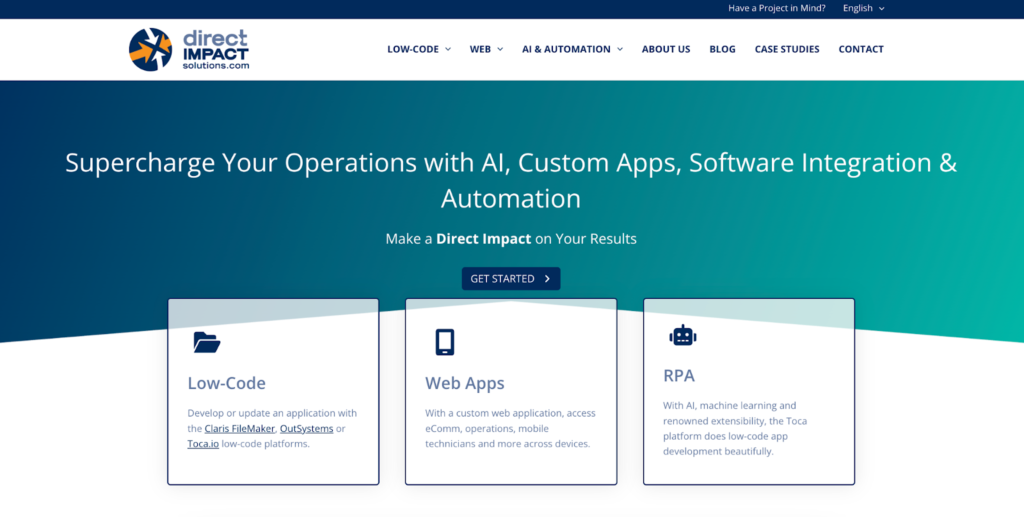
Their services include:
- Custom business software
- Database-driven systems
- Process automation platforms
- Enterprise application modernization
When a company replaces manual workflows or outdated systems, delays cost real operational time. That pressure forces discipline. Direct Impact Solutions tends to operate with that mindset — pragmatic, focused, less hype, more execution.
For organizations trying to modernize internal infrastructure, that steady approach matters.
6. Kloudville
Kloudville works heavily in cloud-native environments and integration-heavy ecosystems. Projects that connect multiple systems tend to run into unexpected friction. That’s just reality.
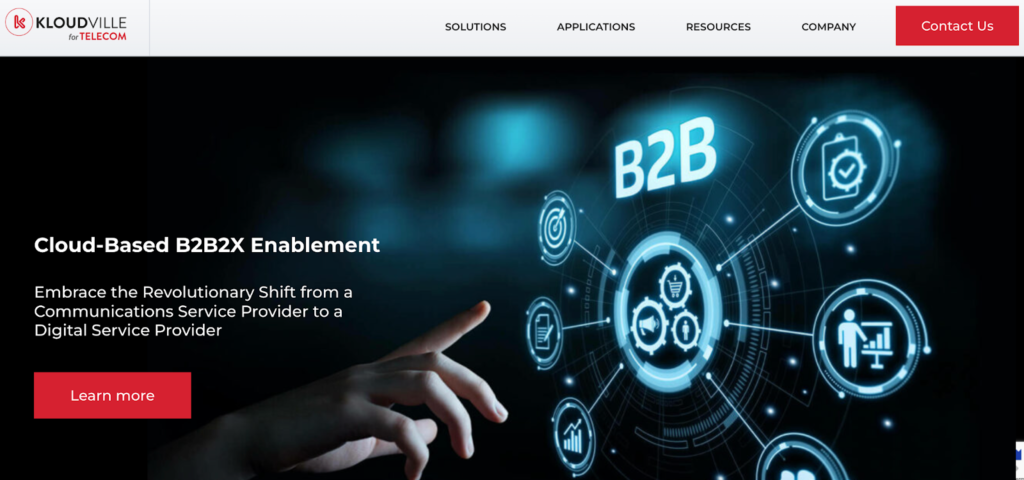
Their core work includes:
- Cloud platform engineering
- Data infrastructure development
- API integrations
- Enterprise application design
Integration complexity is one of the most common schedule killers. Teams used to distributed architectures usually anticipate the pain points earlier. That anticipation keeps deadlines realistic.
Kloudville’s experience in data and cloud-heavy systems helps prevent last-minute integration crises.
7. Net Solutions
Net Solutions is usually brought in when a project is tied directly to a product launch rather than just internal tooling. They sit somewhere between a development vendor and a product partner, which tends to matter when timelines are connected to market deadlines or funding milestones.
Their services include:
- Custom software development
- Product engineering
- UX-centered platform design
- Cloud-based application development
Teams with strong product instincts often manage timelines better because they prioritize ruthlessly. They know what actually needs to ship first and what can wait. That clarity is one of the reasons companies working toward fixed release dates often look for partners like Net Solutions.
8. MindSea
MindSea has built a reputation around thoughtful execution. Not flashy delivery. Not aggressive timelines. Just steady, careful work that holds up under real usage. That kind of approach doesn’t always sound exciting, but it tends to produce reliable launch schedules.
Their capabilities include:
- Custom application development
- Product validation and design
- Mobile and web engineering
- Performance optimization
Vendors that resist the urge to overpromise usually end up being the ones who deliver most consistently. MindSea is often chosen by teams that would rather hear a realistic timeline upfront than a fast estimate that slips later.
Why Some Vendors Ship on Time — and Others Don’t
Late projects usually don’t fail because someone couldn’t code fast enough. They fail because early assumptions were wrong. Or because nobody mapped out dependencies clearly. Or because risk wasn’t documented until it became a problem.
Companies that consistently deliver tend to behave differently:
- They validate the scope before writing production code
- They break projects into measurable milestones
- They assign stable teams instead of rotating staff
- They document decisions early
- They communicate risks immediately
None of that sounds exciting. But it’s usually the difference between controlled delivery and slow drift.
A Quick Reality Check on Timelines
The earlier a timeline slips, the harder it is to recover. A small delay in architecture can multiply during testing. Integration gaps discovered late can stretch release cycles far beyond initial plans.
Experienced development partners don’t rush this phase. They ask detailed questions before committing to delivery dates. That might feel slow in the moment, but it prevents much bigger slowdowns later.
If a vendor seems overly confident before understanding complexity, that’s not always a good sign.
How to Tell If a Company Can Actually Deliver
Before you sign anything, watch how they behave during early conversations.
- Do they ask detailed questions about integrations and dependencies?
- Do they define risks in writing?
- Do they propose phased delivery rather than one large launch?
- Do they explain what could slow the project down?
- Do they push back on unrealistic expectations?
The teams willing to challenge assumptions early are often the ones that hit deadlines later. Easy agreement can feel reassuring, but it rarely reflects reality.
The Common Thread
All of these companies operate differently. Some prioritize architecture. Others focus on security or iterative collaboration. But the consistent theme is this: delivery is treated as a system, not a hope.
Shipping on time isn’t about sprint velocity. It’s about reducing unknowns before they explode.
Final Thought
Canada has strong engineering talent across the board. The differentiator isn’t technical skill — it’s execution discipline.
If your project has real consequences attached to its deadline, the safest choice isn’t the vendor promising the fastest build. It’s the one asking the hardest questions before starting.
Because in software, finishing on time isn’t luck. It’s a process.